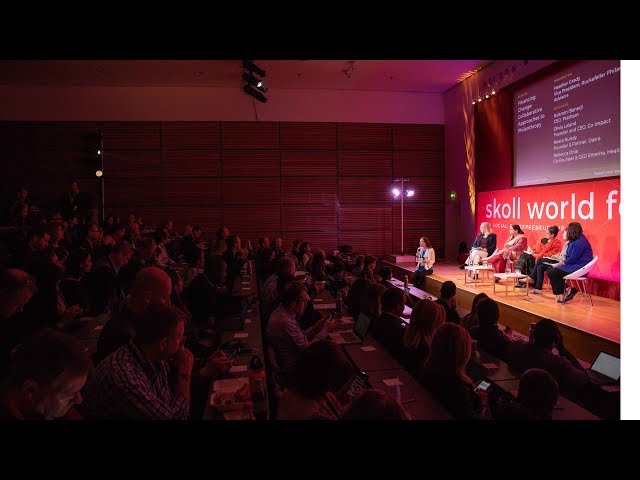
Closing Remarks: Colin Mayer at 2009 Skoll World Forum

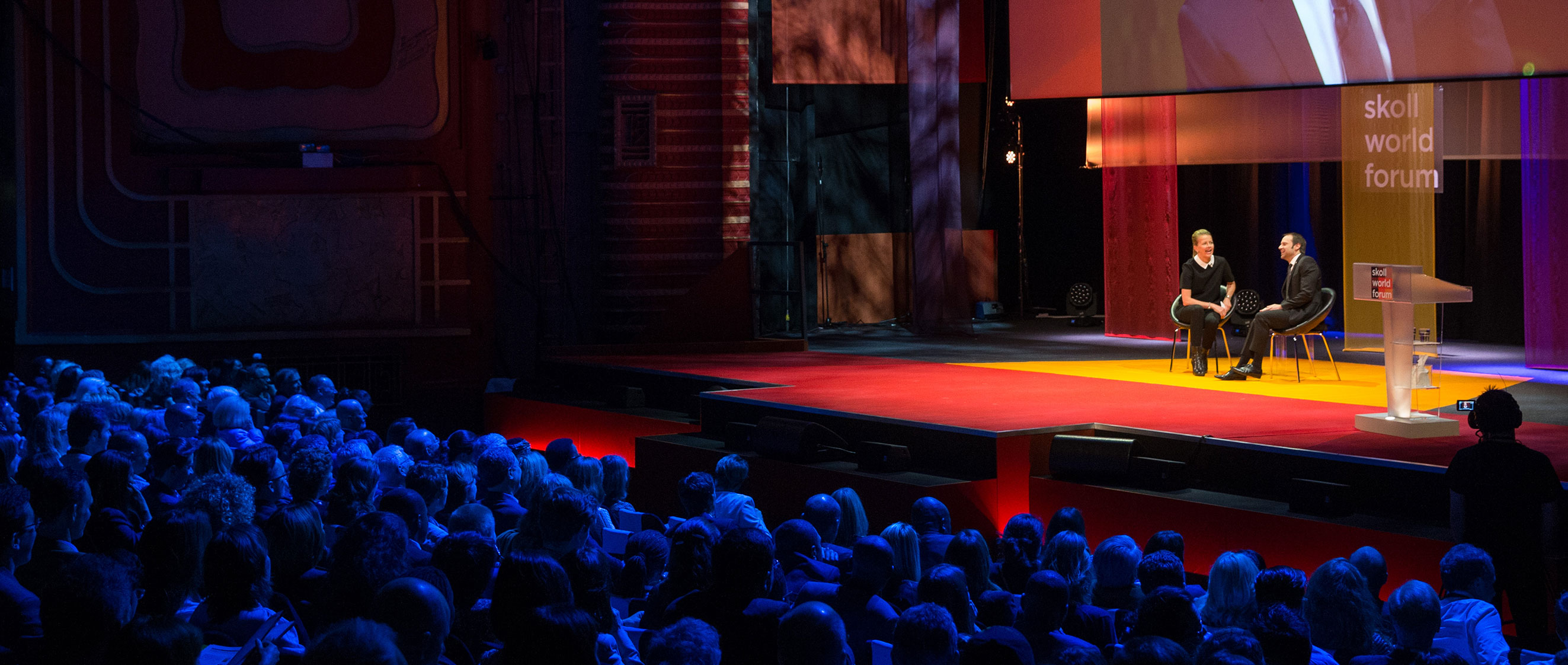
Colin Mayer, Peter Moores Dean and Peter Moores Professor of Management Studies at Said Business School, gives closing remarks at the closing plenary of the 2009 Skoll World Forum. “History is on our side,” he says. “The great periods of institutional innovation have indeed emerged out of crisis.”

With: Colin Mayer
What a time to hold the Skoll World Forum, and what a forum it been. Perhaps some people might have viewed social entrepreneurship as a fair weather industry; fine when the turned out to be stunningly untrustworthy. It's to new institutional innovations that we have to turn. Our Good, as XX talked about urgency and hope.

The death of the old has created a pressing need and a remarkable opportunity for the new. Let me in closing this session just say that history is on our side. The great periods of institutional innovation I have been deed the merge out of crises I could say many examples but I just mention one of the most significant institutional innovations of the 21st century and that was the emergence of Karatsu in the face of the post second world war destruction and extinction of his Ibatsi family firms in Japan.

It's an instructive example because it illustrates how innovation can be prompted by the economic distress we're currently experiencing. Dominated 50 years of post-war Japan and was such a source of economic prosperity emerged out of the ashes of the collapsed economy. It was not the guiding hand of the Japanese government but simply that Japanese companies were bankrupt and therefore swapped their debt for equity that let the Japanese banks to earn much of the Japanese corporate sector and the rest was history.

example by way of an illustration, that while Government surround the world the believe that they are in control and that there hot water was seen reemerge you can be sure that I am not and its works. The new institutions of the 21st century will be permanently different from what they were pre-crisis, and now, more than ever, there is the need and opportunity for institutional innovationcy, urgency and hope.

What has been so refreshing about this meeting is the contrast of the doom and gloom that pervades most other conferences that I attend. These are all dominated by absence of an understanding of what went wrong and what needs to be done to fix it. The nature reaction is to reach for regulation and public sector into prevention and more of both we will get in spades you can be sure.

But this is not being done with any sense of hope that they will do any better than they have in the past, just that there are no other weapons in the armory. In contrast, here the talk is of examples of the success of new ideas that have not been discredited. Many of these may fail as well, but the essence of entrepreneurship is not just working with against markets but individual and collective benefits.

What really mark the first decade of the 21st century will not be returned public ownership and regulation but the creation of new institutions of micro and individual as well as national and international forum. As the Japanese case illustrates, ironically, contraction and recession offer a powerful environment within which to create and experiment.

This forum not only takes place in the Business school, but is organised by the Skoll Center for Social Entrepreneurship in this Business school. I emphasize this because the dramatic changes that we are witnessing lend added relevance to the work of the center and the business school. As my brief example of the post world war Japan illustrates, we need to understand the processes of change that are at work and what promotes the constructive development of new institutions that cannot only replace but surpass what went before.

We need to study those processes and we need to be able to disseminate the results of that scholarship to students, practitioners and policy makers. That is precisely the agenda of the centre and this school. The fact that they are part of one of the majoruniversities of the world makes them exceptionally well placed to provide a real understanding based on fundamental scholarship.

The Skoll center is embarked on a program of research that will encompass academics across, the university, sciences, medical sciences,humanities and social sciences and across many of the universities of the world. The center is not just in case in a process of producing scholorships by some research but also to summonate and acknowledge to students and practioners.The skoll scholar has some problems mentioned at the business to which is generously supported by the skoll foundation or an illustration of what can be achieved.

They bring energy and innovative thinking to addressing the practical problems I've described. This forum provides an opportunity for much broader exchange of ideas based on evidence and practice. That Here's why it will be an enduring innovation in it's own right. The exchange of information between academics and practitioners and across different sectors and parts With the knowledge based understanding of the sources of innovation from research and this forum with the work of the skull center for social will make a profound contribution to rural development in the 21st century.

I salute you, Geoff, for your vision And to you Pamela, for having joined the school, we are absolutely delighted to have your with us and thank you. You may not have contributed entirely to the fact that this is the best forum we've had yet, but next year you will contribute to the fact that that will be the best forum we've ever had and I would like to that all of you for having participating so actively in year's forum, i t clearly has been a remarkable event and I am very grateful to all of you for having done that and this is what it was.

Related Videos