Mobilizing Underserved Communities to Enter the Digital Economy
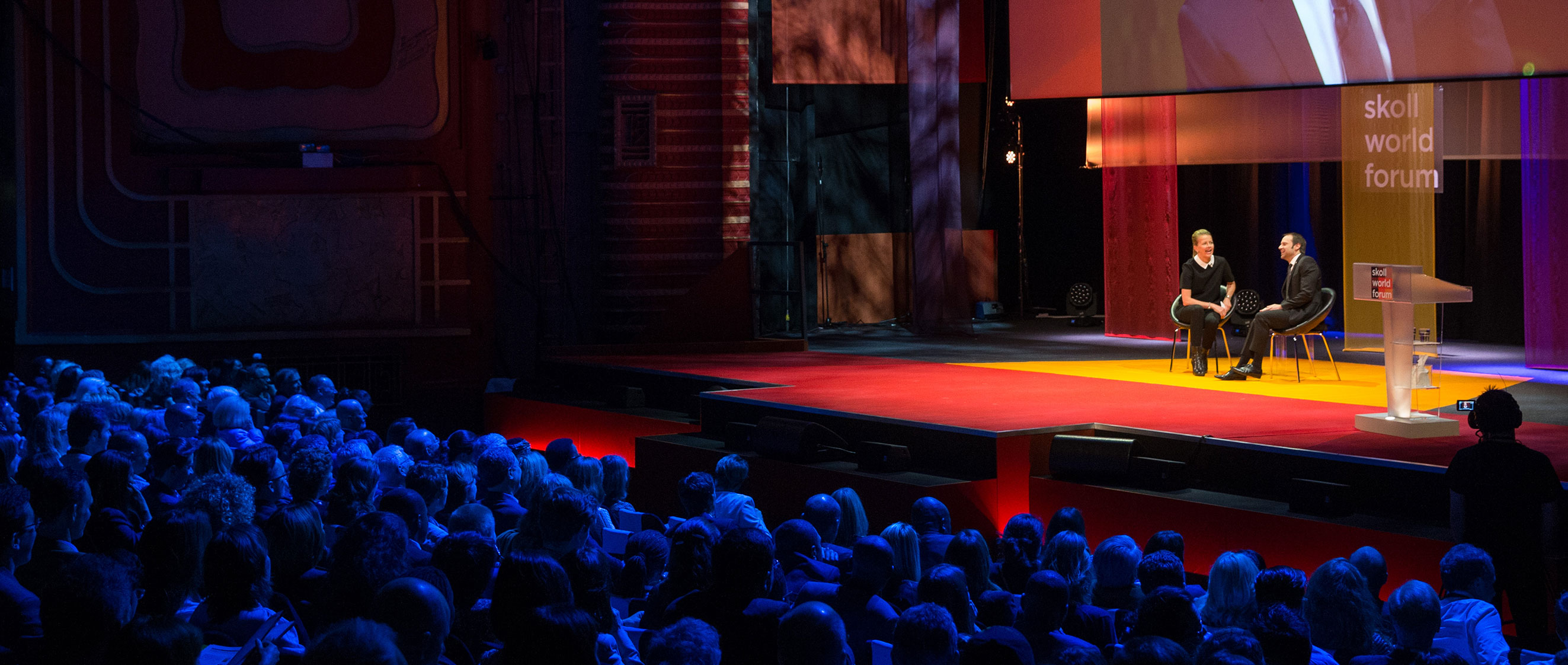
A new book, The Art and Science of Delivery, was published in honor of the 10th Anniversary of the Skoll World Forum. “De-liv-er-y,” the book’s cover explains, “is a daunting challenge in the social sector, with many initiatives failing because of poor implementation.”
The Fireflies Next Time: The Rise of Social Entrepreneurship and the Future for Global Capitalism
Many of today’s leading social entrepreneurs have created organizations that are neither businesses nor charities, but rather hybrid entities that generate revenue in pursuit of social goals.
Investing in Inclusion: How to Deliver Financial Services to the World’s Poor
One point is clear: philanthropy, though critically important, is insufficient to achieve full financial inclusion. We need to harness the capital markets and create institutions that deliver both social and financial returns. Though we are a nonprofit, we work to build sustainable, scalable, for-profit companies dedicated to serving the financial needs of society’s most vulnerable members: those living in poverty.
Crisis Maps: Harnessing the Power of Big Data to Deliver Humanitarian Assistance
The pioneers behind the first wave of crisis-mapping technology were typically gifted hackers from the dynamic open-source community. Creating the next generation of these technologies will require additional skills in data analytics, artificial intelligence, machine learning, and social computing.
Mobile Afghanistan: How a National Telecom Network Delivers Social Goods
Investing in the future of Afghanistan has been crucial to the success of our business. In 2003, most Afghans did not have access to a mobile phone. Today Roshan serves more than 6.5 million customers. Through our nationwide network we provide mobile telecom access to 21.5 million Afghans (71 percent of the population).
Delivery 2.0: How Governments can Deliver Better, Faster, and Cheaper
Many outcomes require a number of government agencies to work together toward a common goal. This is notoriously difficult to pull off in a world of silos, disparate agendas, and competition for funding. Governments typically respond by setting up committees or task forces that tend to represent their own interests. Little progress is made in meetings, and even less between them. What can be done?
Video: What will the world look like in 50 years?
The problems facing our world are so large that they demand disruptive thinking. We don't have time to think in incremental terms. It's time to challenge the status quo, and dare to imagine what we can do. Click here to watch the video from Skoll World Forum 2013!
Translating Innovation: How to Deliver New Technologies for Global Health
Participants in the global health ecosystem—donors, governments, nongovernment organizations, and corporations—have begun to focus on the challenges of translating innovations into viable solutions. Here is what PATH has learned about facilitating both availability of and demand for new health technologies.
A Healthcare Vision for Nigeria
We have outlined a vision for the Nigerian health sector that focuses on the ultimate goal of all healthcare activities—saving lives. Given the size of our population and the prevalence of preventable diseases, it is clearly possible to save at least one million lives over the next three years by expanding access to well-known, cost-effective interventions.
How to Win the Fight Against HIV/AIDS
Scientific advances and their successful implementation have brought the world to a tipping point in the fight against AIDS. By expanding coverage of core HIV prevention and treatment services while maintaining the quality of those services, we will continue to drive down new HIV infections and sustain the lives of those already infected.