Mistakes of a Social Entrepreneur

Jeremy Hockenstein
CEO & Co-Founder, Digital Divide Data


ddd

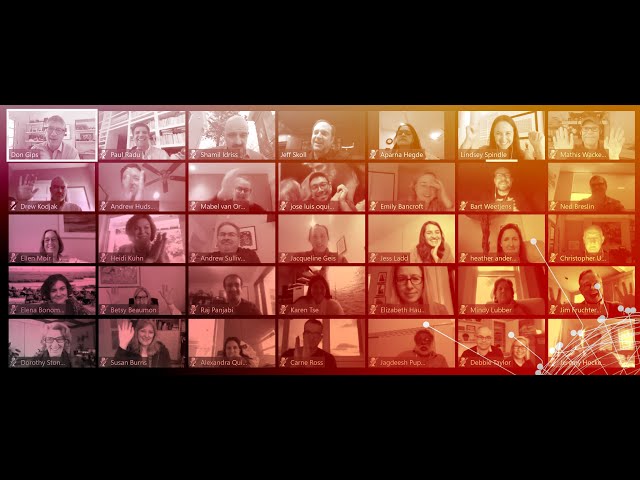
This month marks our 10th anniversary as a social enterprise. On February 4, we celebrated our achievements and successes with staff, clients and donors at a big party in Phnom Penh, as well as online. And we invite you to download our e-book “The Confidence to Dream”, in which several of our graduates tell their stories in their own words. Here on Social Edge, we will also share some of the things we would do differently, if only…

Digital Divide Data (DDD) creates jobs for talented youth in Cambodia, Laos and Kenya by delivering business process outsourcing services to clients. Working in this enterprise, while attending university, empowers our staff with the skills and experience they need to lift themselves out of poverty. We are now employing nearly 1,000 staff.

When I reflect on the past decade, I often joke that our current board of directors would have never approved the plans we used to start-up ten years ago! Since then, we have taken countless missteps. Over the next few weeks, I would like to share some of those mistakes—and what we’ve learned. It’s a bit easier after ten years to talk about failure, but I hope some of you will be inspired to share what’s not working in your organizations. In my experience, acknowledging what we’re doing wrong has been the first step towards improvement. I’ll start with a few—and then let’s engage in a dialogue about these and others.

Dream Big, but Think Realistically

When we started in Phnom Penh, DDD employed 20 youth. When people asked me about the difference we were making, I told them it was huge—that our impact on those young people’s lives was infinite. But we were ambitious. In 2003, we made a plan to open new offices every year. Once we realized the complexity of managing operations across offices in Phnom Penh and Battambang, Cambodia and Vientiane, Laos, it took seven years to launch our next office in Nairobi, Kenya!

Focus on Whom You Can Help

Initially, DDD was ready to give a job to nearly anyone who walked in the door and could type. We took support from a donor to work with a group of young women who were vulnerable from their experience being trafficked, without knowing much about this population. While we worked tirelessly to provide support to help them stabilize their lives, their level of education didn’t prepare them for the type of jobs we had at DDD. We helped them find jobs that fit their skills—and established criteria of high school graduation for new recruits.

Hire Ahead of the Curve

For the first three years, my colleague and co-founder, Jaeson Rosenfeld and I, sold all the client work we did at DDD. In our early years, we found great volunteers and made a few hires of bright, passionate people—but with no direct experience in our business. Our early team did amazing things. And, now, as I see the value that experienced staff brings, I wish we had found a way to hire talent like this earlier.

Food for thought:

  • As social enterprises, we are often resource challenged; how can we collectively benefit from sharing our experiences about what works and what doesn’t?
  • What have been your challenges in expanding operations, hiring experienced staff and defining your target audience?
  • If you could turn back time in your social enterprise, what would you do differently?
  • What’s the “best” mistake your organization made; the one that you learned the most from?

Join Jeremy Hockenstein, co-founder and CEO of Digital Divide Data, in the conversation. And share your mistakes and your victories!

  • Ivan Lau

    Choose Your Startup Team Wisely

    My co-founders and I are currently starting a social enterprise in Philippines that trains rural youth into call center agents.

    When we got started we had limited networks and had to rely on local friends that we trusted to get our training center and facility started. After 4 months into the project, we realized that we had overestimated the capabilities of our friend. He was struggling to keep proper records of our purchases and has had no experience handling that much money before. He later admitted that it was hard to refuse our call for help and he also had doubts before taking up the role. In the end we had to let him go but fortunately we managed to salvage the relationship.

    We learned to be very careful when selecting people into the team, besides trust we need to make sure he or she has the capabilities to carry out the work. Things get sticky when you need to let go of a friend that you got in in the first place. It’s hard to make decisions and stay unbiased when the outcome can possibly jeopardize your friendship. Your friendship might make you give excuses or reasons to explain why your friend is not performing well and cloud your judgement of their real performance.

    Do due diligence when selecting new members into your startup team. And when you intend to bring in a close friend, think twice and do extra due diligence!

    • Jeremy Hockenstein

      Choose Your Startup Team Wisely

      Hi Ivan. Good advice. It’s difficult to turn down an offer of help particularly when you are starting up and resources are limited. But as you learned the hard way, you have to consider carefully what your needs are and sometimes that might mean doing without something or rethinking your requirements. Friends can be a great resource since they care on a personal as well as professional level but it can get sticky if things don’t work out. — Jeremy

  • Ivan Lau

    How to hire good people?

    Hi Jeremy,

    We are a training center that provides call center agent training to youths in the rural areas. We are located in Bago City 20km away from Bacolod City, one of the next wave cities for BPO and contact center industry in the Philippines. Our social enterprise currently needs to hire two groups of people that will be critical to our success.

    1) Volunteers in Singapore to design our curriculum

    2) Local trainers in Bago City to train rural youths

    So far what I’ve learnt is that as managers we have to outline specific requirements of the jobs and identify the kind of people we want. After which we need to select the right people and then have a proper orientation to set expectations and help them integrate. But the reality is we are in a start-up phase and things change all the time.

    Can you give us addtional advice on how to select good people? Do we need different approaches for Philippines and Singapore given the different profile of people and different cultures? What are some must dos in the hiring process?

    • Jeremy Hockenstein

      How to hire good people?

      Hi Ivan. My advice would be to focus on your immediate hiring needs, define the skills and experience you need for those roles and use your personal network to recruit if possible. I think you want to find people who not only have the knowledge and prior experience for these positions but also share your mission and your values and since you are in a start-up phase, hire people who are willing to roll up their sleeves and do a lot of the hands on work as well. Good luck!