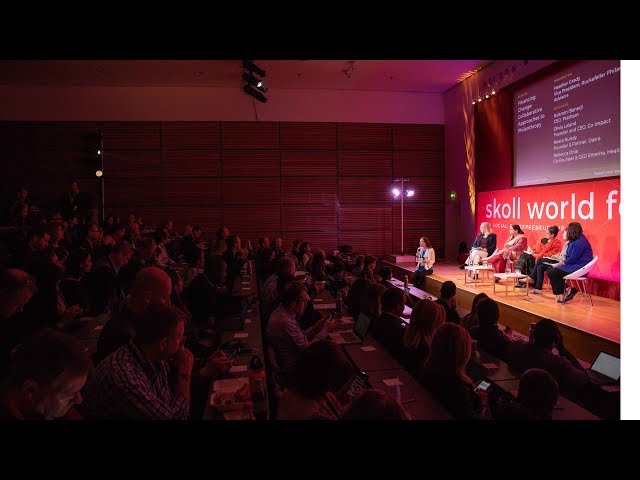
The agenda of this session was as simple as it was bold: education programmes aren’t working to deliver the large-scale change we expected from them. What are the key drivers of this short-coming and how can we address them? How can we reform education to work more effectively?

“Education is the most powerful weapon which you can use to change the world.”

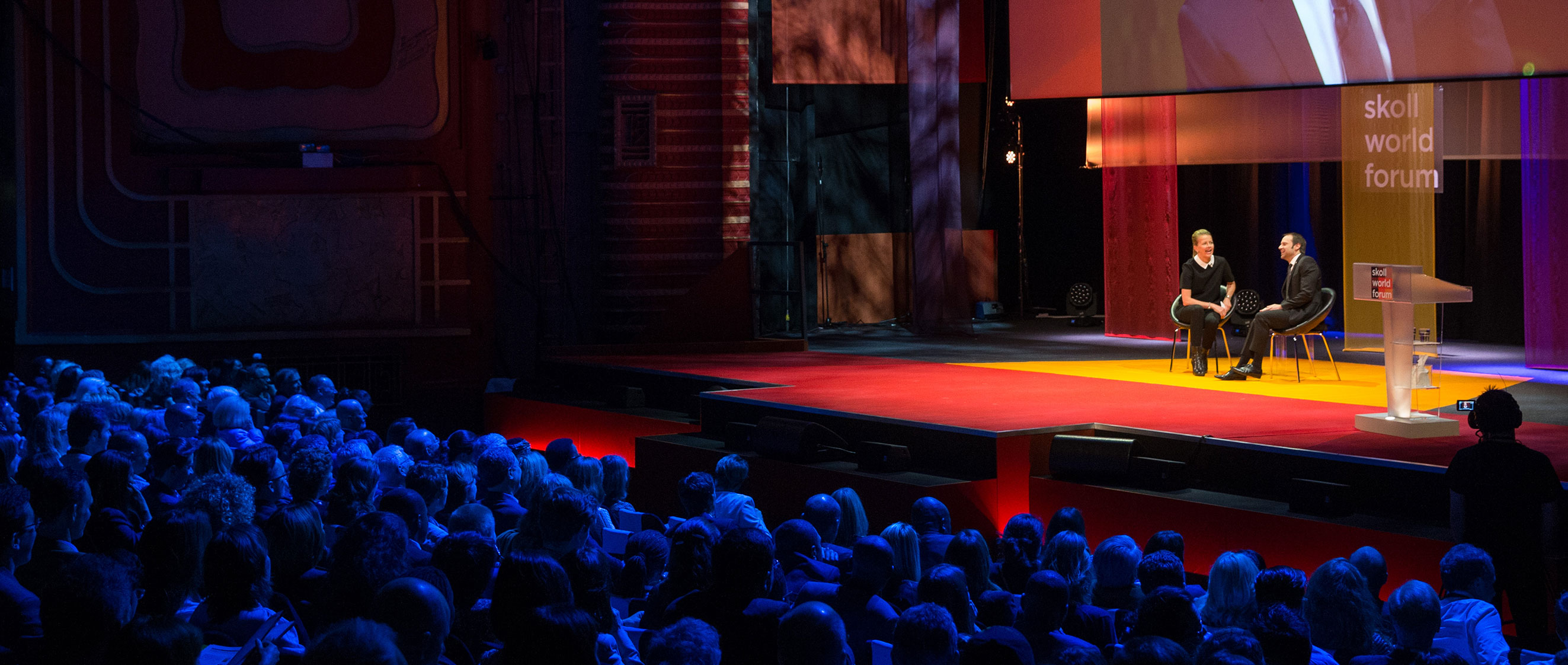
With this quote from Nelson Mandela, Tabitha Wombugha Tongoi from TEDxKibera set the agenda for a thought-provoking discussion on changing education systems in developing countries, on the second day of the Skoll World Forum 2011.

The Agenda

The agenda of this session was as simple as it was bold: education programmes aren’t working to deliver the large-scale change we expected from them. Education in developing countries has spread massively in the last 20 years, but the problem of unemployment persists. Bunker Roy, Founder of Barefoot College, speaking from the audience: “Too often I see people with Masters degrees on the road without jobs.” What are the key drivers of this short-coming and how can we address them? How can we reform education to work more effectively?

The Root Problems

It is an often heard argument that what’s holding many countries back from developing is not education, but the lack of organisations in which educated labour could be used. However, the panelists proposed an interesting alternative to this view: through their work in developing countries around the world, they have found that what does exist is the demand for labour. But what they are lacking are people who can fill these positions and provide the added value employers are looking for. And this is true even in places in which access to education is a given. Martín Burt from Fundacion Paraguaya speaks out: the private sector needs people with vocational skills, and schools simply don’t provide these. Ann Cotton from Camfed adds: those students who are lucky enough to start their own businesses, lack the entrepreneurial advice and experience in risk-taking to build ventures beyond the metaphorical hair salon.

So What Do We Do?

The goal is to transform education to make it provide the skills that students really need to succeed in the labour market. The model? This is exactly where the exciting panelists came in. Three pieces of advice from individuals who know what they are talking about:

Tabitha Wombugha Tongoi, TEDxKibera: Listen to students. Students are hungry for change and for a reform of the educational system. They want applied skills, cross-pollination of subjects, and a roadmap for driving change.

Ann Cotton, Camfed: Provide students, and especially girls, with the right role models. Mentors that will teach them how to build enterprises, and teach others. Through its mission and its extensive alumni network Camfed is able to do exactly that (in addition to many more great things).

Martín Burt, Fundacion Paraguaya: Teach students business and vocational skills at school – get over the curriculum that hasn’t changed in too long and we are afraid to touch. And make schools pay for themselves. Teach A Man To Fish, his organisation that creates self-sustaining schools with hands-on curricula provide an exciting model for this.

Call to Action

To finish the session, the panelists were encouraged by Deepali Khanna from The MasterCard Foundation to round of with a call of action. Overwhelmingly, Ann, Tabitha and Martin stressed the centrality of transforming school curricula in creating better schooling systems in developing countries and the importance of a cooperative approach in doing so.

Martin left us with this:

“Maybe education is about dignity. And maybe we are like Aladdin and have to rub students’ brains [their lamps] in just the right way to release their dignity [the djinn].”