Social Entrepreneurship in China

Scott Lawson
CEO, SOW Asia


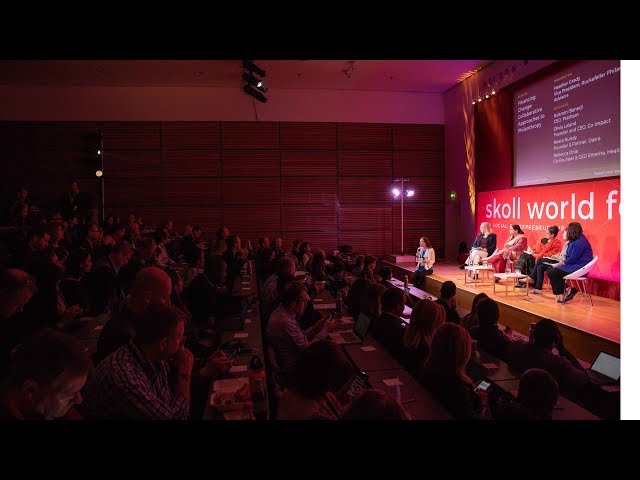
seinchina_300.jpgSocial enterprise and the broader topic of social innovation are attracting a lot of attention in China these days. The recent Social Enterprise Summit in Hong Kong drew in more than 100 institutions and an audience of 1,000, with an increased presence from the mainland.

For all the talk, however, it is less clear how much is being translated into action. In many ways, it seems social entrepreneurship in China lags behind other dynamic, developing countries. Many outside of China are skeptical about the country’s intent and capacity to support social enterprise on a scale that will create real impact. At the same time, many also believe that China can achieve in two years what has taken other countries ten years to do, if it decides to prioritize at a national level the development of social enterprises. The crucial issue, of course, is the role the government chooses to play.

Although we are close to the scene we still have much to learn about the social sector in China. The country is incredibly diverse and full of apparent contradictions. As many have often commented, “whatever you hear about China is true somewhere.” Bearing this in mind, can we draw any conclusions about social enterprise and innovation trends in the world’s most populous country?

To prime the discussion, we offer some questions for your consideration:

Doing good and doing well?

The jury is still out in many cases on the idea of making money while doing good. Even within the social enterprise camp, this issue is passionately debated. Many Chinese still believe an age-old notion that wealth and ‘uncharitableness’ go hand in hand (为富不仁).  This pervasive attitude means that the very foundations of social enterprise are met with skepticism or suspicion. We know of social enterprises that have made little progress when trying to explain their multiple motives to potential customers. They then decide to market their services as a traditional business, with much greater success. If one must choose between doing well or doing good, most Chinese will opt for the former. There are many reasons for this –-beginning at home, where families push their children (often, an only child) to get traditional jobs to support the family. In addition, the recent scandals involving NGOs and philanthropy have re-enforced the belief that even those who claim they want to do good, are really just serving their own interests.

Business acumen and social empathy?

Driven by economic necessity and culture, the Chinese have become well-known for being entrepreneurial people. In modern China, large state-owned enterprises (SOEs) garner much of the world’s attention, but small and medium enterprises (SMEs) have also played a crucial role in China’s economic growth. Can China channel this entrepreneurial spirit into the social sector? In the west, this has required the presence of a strong civil sector creating awareness of the needs of the disadvantaged. One can argue how successful the west has been at meeting the needs of those groups, but the question remains unanswered for China. The interesting development in China is the degree to which social issues are now publically discussed. Especially amongst young people, the prevalence of social media like Weibo (micro blogs) is creating a new kind of public consciousness. Topics such as Wei Gongyi (micro public welfare), which also covers the discussion of social entrepreneurship, convene many interest groups and individuals on the Internet. In promoting social entrepreneurship, thought leaders from academia (with their own “VIP” Weibo accounts) provide widely respected advice on the issues. Again, the question is how all of this talk can coalesce into concrete action.

Supply and demand?

One of the liveliest debates about social enterprise in China is around the issue of supply and demand. Some believe China has sufficient capital and intermediary resources for the most innovative social entrepreneurs to scale their organizations. This camp argues that the real issue is lack of quality entrepreneurs and enterprises. But others argue that many promising social entrepreneurs, typically young and lacking “real world” experience, struggle to find needed financial and non-financial resources. This other camp adds that social enterprise needs much more in the way of infrastructure development and commercial mentoring. Do these issues, coupled with the other cultural and regulatory barriers, simply make starting a social enterprise too daunting?


SOW Asia, the organization I serve, is pleased to host this first discussion on Social Edge devoted solely to China.   We want to encourage diverse and divergent points of view on the subject at hand.   To get the discussion started, consider this scenario – you are asked to contribute to a five-year plan for the development of social entrepreneurship in China:
 
  • What will you prioritize, mindful of the challenges and contradictions we’ve touched on above? 
  • Would you focus resources at the local, regional or national level? 
  • What existing elements need to be changed and what new elements need to be instituted?
  • What best practices might be adapted from elsewhere? 
  • In terms of outcomes, what might social enterprises in China demonstrate to the world in five years as the result of this concerted effort? 
 
Please feel free to weigh in on any of these questions, or others you believe are essential. 
 
In two weeks, we welcome the Chinese New Year of the dragon. Of all the symbols, the dragon is perhaps the most closely identified with the spirit of social entrepreneurship: characterized by drive, a willingness to take risks, passion and a pursuit of excellence on matters of deepest concern.   Let’s bring this spirit to our discussion on a most important subject. 

 
社会企业在中国
 
在中国,社会企业以及社会创新这个更为广泛的话题正成为焦点。近日在香港举行的社企民间高峰会吸引了逾100家机构、1000余名与会者,来自中国内地的参与度也在提高。
 
然而,有多少讨论真正转化为行动,就并非那么显而易见了。 从许多方面来看,社会企业在中国的发展,似乎要落后于其他一些蓄势待发的发展中国家。许多外界人士对中国在具有一定影响力的规模上支持社企的意愿和能力持保留态度。与此同时,也有不少人认为,只要中国决定在全国范围上优先发展社会企业,其他国家花十年完成的事情,中国可以在两年内实现。诚然,问题的关键在于政府的选择。
 
尽管是近水楼台,对于中国的社会领域,我们仍然有很多需要了解。这个国度有着惊人的多样性,表面上充斥着矛盾与对立。正如许多人所言,“无论你听到有关中国的什么事,总能在某处应验。”既然如此,对于这个世界上人口最多的国家,我们是否能对其社会企业和社会创新的发展趋势得出一番论断呢?
 
在此我们提出一些可供思考的问题,谨以此抛砖引玉:
 
1. 行善与牟利,鱼与熊掌?
对于在行善的同时又赚钱的这个想法目前仍存在颇多争议。 即使在社会企业的阵营之内
,这个问题也处于激烈的辩论中 。许多中国人仍然抱着“为富不仁”这样的传统观点 。这普遍存在的态度使得社会企业的理念根基遭到摒弃。据我们所知,一些社企在试图对潜在客户或投资者解释自己的多重底线时,进展甚微。于是,他们决定将自己定位成传统的商业来推广,反而更加奏效。如果行善与牟利二者只能选其一,大多数中国人会选择前者。其中有种种原因 — 首先是家庭因素,家长会期望孩子(通常是独生子女),去私营或者公共部门做一份高薪的工作,以此养家。再加上,最近中国的一些非政府组织和慈善界所卷入的负面事件,更是促使人们相信那些声称想要做好事的人,其实也只是为了一己私利。
 
2. 创业敏锐性以及社会同理心?
在经济和文化的推动下,中国人的企业家精神已是众所周知。在当代中国,大型国有企业得到了世界的瞩目,但中小型企业在中国的经济增长中也起到了至关重要的作用。中国能否将其创业精神发扬到社会领域中去?在西方,这需要一个的强有力的社会部门的存在以使人们意识到弱势群体的需要,对此成效如何, 有可商榷之处。但在中国,这个问题还尚待解答 。有意思的是,中国当下对社会问题的公开讨论的程度也在发展。尤其在年青人之中,像微博这样的社会媒体的风行,正在创造一种新的公众意识。微公益这样的话题,也涵盖了对社会企业家精神的讨论,在互联网上聚集了一批对此感兴趣的团体和个人。在促进社企发展方面,学术界的一些思想领袖,也会通过自己的微博认证账号,对相关话题给出有影响力的见解。最终,关键仍在于如何将这些言谈凝聚成具体的行动。
 
3. 供给和需求?
有关中国的社企最热门的辩论之一围绕着资源的供给和需求问题展开。有些人认为中国已经为那些最具创新性的社会企业家准备了足够的资金和过渡资源来扩大他们的组织规模。据他们所见,真正的问题在于缺乏优质的企业家和企业。然而另一些人则认为,许多有潜力的社会企业家,通常年轻并缺乏实战经验,很难找到所需要的资本和其它资源。持这一观点的人认为,社会企业需要这个行业基础结构的发展以及商业指导来辅助。这一系列的问题, 再加上文化和制度上的种种阻碍,是否让那些有心创立和扩大社会企业的人望而生畏?
心苗亚洲,本人所效力的组织,很荣幸能在Social Edge主持首次聚焦中国的讨论 。我们希望鼓励大家对这个主题集思广益,百家争鸣。试想这样一个场景 –假如你被邀请为社会企业在中国发展的五年计划出谋划策:
 
  • 认识到上文提及的挑战与矛盾的存在,你将优先考虑什么?
  • 你会将资源运用在地方性,区域性还是全国性的高度?
  • 有哪些现有的要素需要改变,以及需要注入哪些新的要素?
  • 可以从别的地方学习到哪些最优方法?
  • 从成果的角度来看,这些集中措施会让中国的社会企业在五年之后展现给世界一幅怎样的图景?
 
请对以上这些,或者任何你认为重要的问题,畅所欲言。
 
两周之后, 我们将会迎来中国的龙年。在十二生肖中,龙或许是最能够代表社会企业家精神的:它象征着魄力,乐于冒险,对于至关重要的事物会充满热情,追求卓越 。让我们把这样的精神带到这场重要的讨论中 。
 
 
劳思国心苗亚洲首席执行官。心苗亚洲是一家根据香港税务条例88号注册设立的慈善组织。 心苗亚洲的使命是投资于追求创造可持续的、积极社会环境效益的组织和个人。


  • Eric Carlson

    lack of social entrepreneurship in China

    Although our "sample" is biased toward organizations that are non-profit or social businesses (little or no financial return to investors), in our 9 years of the GSBI we have had over 1000 social entrepreneurs complete our application process (currently underway on socialedge0 but only 4 have been from China. One was developing a cell phone based information system for rural poor, and the other 3 were "community development" organizations attempting to organize/moibilize the rural poor (e.g. to get higher prices for crops). In comparison there are over 20 countries from which we have had more than 4 applications, and of these only India (where the number is close to 200 social entrepreneurs who have applied) is of similar size to China. If one looks at the many countries where there have been few or no applications to the GSBI, they are largely characterized by: totalitarian gov’ts, lack of "social capital," and/or smaller countries where English is not in widespread use. It seems to me that China fits in the first category. So I think that if there is a dearth of social entrepreneurs in China it is largely due to the hostile environment rather than to a lack of compassion/philanthropy on the part of the Chinese people. On the other hand, Sara Olson recently made me aware of an incubator for social enterprises in China called ECSEL, whose website (www.ecselfellows.org) indicates that there are indeed active social entrepreneurs in China (I was unable to find on this website exactly how many social entrepreneurs ECSEL has helped).

    • Roland Catellier

      lack of social entrepreneurship in China

      ” totalitarian gov’ts, lack of "social capital," I have lived in China since June 2008, some how i fail to comprehend what this mean. Do people from the western world look at China as a bad country? in my opinion China is little different that any western country yes the label themselves socialist a bad word in west and Communist another bad word,yet there is no difference in doing business in China as in USA. The income disparity is same as USA one is capitalist other socialist , the only difference is the label. One difference in China and USA has conned people into think they are righteous while China is up front and tell the truth yes we are totalitarian. Western governments con the population into thinking they are spreading democracy when in fact they are after the natural resources of those countries .

      ” So I think that if there is a dearth of social entrepreneurs in China it is largely due to the hostile environment rather than to a lack of compassion/philanthropy on the part of the Chinese people.”

      ”hostile environment” I’d like to understand this statement. I have not found this at all . The government and people are somewhat suspicious of do gooders as it’s see what the west has done historically all over the world, western people lack credibility , because of the stupid politician rhetoric in the USA accusing China of stealing there jobs, when the real culprits are the industrialist the run the USA, send their jobs to where labor is cheap, so they can earn more profits. As soon as China people wages rises and they lose a small percentage of profit the industrialist will move on to abuse another countries poor labor class.

      I’ve encountered and have heard from other social entrepreneur that suspicions of do gooders. When i present my project , I do not say I’m a social enterprise, I present it that, ” I want to make money, the only way I can make money is to help you make money.” This they understand and believe. After all I come from A CAPITALIST COUNTRY.


      • Howard Weinstein

        lack of social entrepreneurship in China

         I have done business in China for over 25 years. I started buying products for my for profit business and now that I am in non-profit we are replicating our successful social business, Solar Ear, in China. I have found my non-profit local partners very commited to our social mission via running a sustainable business. I have found the people and companies in China for past 25 years to be of the highest quality in terms of integrity and management capabilities. I have found the bureacracy no better nor worse than the same red tape I have faced in Brazil. I have also found their family values to be of the highest order. I would and will do more in China in the future than many other non-communist countries as I have found labels on governments, countries and on people, eg gay, disabled are racist based.

    • 陈嘉

      lack of social entrepreneurship in China

      我不认为在中国缺乏社会创业的热情,只是这种热情还没有找到合适的地方来表达。ECSEL他们在中国的影响力会越来越大,我已经申报了他们的计划。但只有一个ECSEL是不够的,还需要更多的机构来推动社会创业。在中国有足够大的市场空间,但在中国也普遍对社会创业缺乏认识,包括技术上和资金上的扶持,一个适合社会创业的生态链还需要建立。

      • Alexander She

        lack of social entrepreneurship in China

        I quite agree with ECSEL. They have been scaled up their projects from year to year. Last year, they only sent Chinese social entrepreneurs to the US Conference. This year, they scaled it up with a project platform listing all potential projects, inviting mentors and encouraging collaboration. This is a very good sign China should celebrate.

        我很同意ECSEL。他们不断扩大了。去年,他们只派出了中国社会企业家到美国会议。今年,他们开放项目广场,列出所有有潜力的项目,邀请导师和鼓励合作。这是一个非常好的迹象,中国应该庆祝。

  • Scott Lawson

    Social Entrepreneurship in China

    Welcome, everyone, to the discussion! And thanks to our early respondees. We already have different views on the subject which is one of the objectives of this discussion. At the same time, we want the discussion to be constructive and positive. Unfortunately, the English version of the discussion starter is missing the last few paragraphs that were meant to set the tone. Let me add them here:

    Consider this scenario – you are asked to contribute to a five-year plan for the development of social entrepreneurship in China:

    • What will you prioritize, mindful of the challenges and contradictions we’ve touched on above?

    • Would you focus resources at the local, regional or national level?

    • What existing elements need to be changed and what new elements need to be instituted?

    • What best practices might be adapted from elsewhere?

    • In terms of outcomes, what might social enterprises in China demonstrate to the world in five years as the result of this concerted effort?

    In late January, we welcome the Chinese New Year of the dragon. Of all the symbols, the dragon is perhaps the most closely identified with the spirit of social entrepreneurship: characterized by drive, a willingness to take risks, passion and a pursuit of excellence on matters of deepest concern. Let’s bring this spirit to our discussion on the subject about moving social entrepreneurship forward in China. Hope to see you on the Edge!

    • Philo Alto (Asia Value Advisors)

      Two-speed development of social entrepreneurship in China – the slower “action” needs to catch-up with the faster “talk”

      My name is Philo Alto, founder of Asia Value Advisors (www.value.asia), a philanthropy and social advisory firm based in Hong Kong.

      Based on my conversations with various stakeholders in the space, I believe there are common themes across Asia that also apply to China. Specifically, there are two aspects to the question of the development of social entrepreneurship in China:

      1. As a mindset and behavior shift in “doing good while doing well”

      2. As an institutionalized career path

      On the first aspect, I believe the developments in China mirror the trend globally especially among the younger/millennial generation who no longer buy into the old paradigm of excelling first in the commercial world and then in the social sector. They want to do both now.

      On the second, social entrepreneurship is just in the infancy stages of asserting its legitimacy and social acceptance on equal footing with mainstream commercial careers.

      It is this two-speed growth path that creates a widening gap between the faster “talk” (mindset) and the slower “action” (emerging legitimacy) in the development of the social entrepreneurship movement in China.

      Against this backdrop, I will address Scott’s first two questions in the following order:

      1. Prioritize speeding up “action” to catch-up with the “talk” through increasing awareness of social entrepreneurship and providing an institutionalized platform to enable social entrepreneurship to develop sustainably over time.

      2. In terms of resource targeting, it depends on whom you ask. The Chinese local and national government can focus on the regional/national levels through effective and context-appropriate regulatory policy for social entrepreneurship to institutionalize this citizen sector while encouraging (or at least not hindering) grassroots social innovation.

      Meanwhile, philanthropic funders and intermediaries should focus resources at the grassroots/local level on identifying, incubating, and (impact) investing in successful case studies of social enterprises and innovative social finance instruments addressing local social issues/challenges. Lastly, they need to do this collaboratively with other players and stakeholders across the social value chain in order to lower the search and transaction cost.

    • Philo Alto (Asia Value Advisors)

      Two-speed development of social entrepreneurship in China – slower “action” must catch-up with the faster “talk”

      My name is Philo Alto, founder of Asia Value Advisors (www.value.asia), a philanthropy and social advisory firm based in Hong Kong.

      Based on my conversations with various stakeholders in the space, I believe there are common themes across Asia that also apply to China. Specifically, there are two aspects to the question of the development of social entrepreneurship in China:

      1. As a mindset and behavior shift in “doing good while doing well”

      2. As an institutionalized career path

      On the first aspect, I believe the developments in China mirror the trend globally especially among the younger/millennial generation who no longer buy into the old paradigm of excelling first in the commercial world and then in the social sector. They want to do both now.

      On the second, social entrepreneurship is just in the infancy stages of asserting its legitimacy and social acceptance on equal footing with mainstream commercial careers.

      It is this two-speed growth path that creates a widening gap between the faster “talk” (mindset) and the slower “action” (emerging legitimacy) in the development of the social entrepreneurship movement in China.

      Against this backdrop, I will address Scott’s first two questions in the following order:

      1. Prioritize speeding up “action” to catch-up with the “talk” through increasing awareness of social entrepreneurship and providing an institutionalized platform to enable social entrepreneurship to develop sustainably over time.

      2. In terms of resource targeting, it depends on whom you ask. The Chinese local and national government can focus on the regional/national levels through effective and context-appropriate regulatory policy for social entrepreneurship to institutionalize this citizen sector while encouraging (or at least not hindering) grassroots social innovation.

      Meanwhile, philanthropic funders and intermediaries should focus resources at the grassroots/local level on identifying, incubating, and (impact) investing in successful case studies of social enterprises and innovative social finance instruments addressing local social issues/challenges. Lastly, they need to do this collaboratively with other players and stakeholders across the social value chain in order to lower the search and transaction cost.

  • amyzhou

    More people start to do Social Business in China now

    Before 2008,quite a few people in China have been informed about Social Business and quite a few organizations involved in which field. But till 2011,"Social Enterprise","Social Investment"and "Vature Philanthropy" are hot words in philanthropy world. More NPOs have taken actions,such as You Cheng Foundation,One Foundation, Nan Du Foundation,Ai De Foundation,Zeng Ai Foundation,NPI.. The role models of Qiang Embroidery,Yi Long Microfinance,Can You,Innose.org…. proved the creactive and consistant way to do good to the public,and which attacked media’s attention at the same time,such as the famous and powerful newspaper " 21ST CENTURY BUSINESS HERALD" has set up the Social Entroprenourship Center. Estimate optimisticly, In next 5 years,Social Business will have it’s first wave in China.

  • Rongdong

    SE in China is stronger than the English world knows.

    First of all, kudos to SOWA Asia for initiating such a timely discussion. As a researcher following the emergence of social entrepreneurship in China, I’m glad to throw in my two cents.

    My answer to Scott’s “How much action?” question is “A lot!” Five years ago, debates on the meaning and applications of social entrepreneurship were already live and strong in many non-profit symposiums hosted in China. By now, the debates have echoed more often on Weibo.com than in the conference rooms, and the domestic SE field has become a truly dynamic landscape with thousands of self-declared social entrepreneurs and a dozen of supporting institutions and foundations. For instance, the year-around SE training sessions spearheaded by the British Council are receiving ongoing applications in hundreds. NPI (http://www.npi.org.cn/english/), a non-profit incubator headquartered in Shanghai and the publisher of a well-circulated “Social Entrepreneur” magazine in Chinese, has bred dozens of social enterprises and are now replicating its success in several cities across the country. In addition to the SE curriculums being tested by prestigious Chinese schools like Peking University and CEIBS, at least five business competitions with a social-purpose theme are making SE more attractive than ever among student entrepreneurs.

    Language barrier is probably the reason for the lack of recognition outside of China, but it won’t stop the trend. Just ask Muhammad Yunus. At the time of this post, he is being followed by over 36,600 Chinese fans on Weibo.com—he opened that account (http://www.weibo.com/myunus) only five days ago, and all of his tweets so far are in English.

    Needless to say, the growth of social entrepreneurship in China faces formidable constraints. Government support is the obvious limitation. China has yet to pass a national law for the philanthropic sector (although a draft has been around for years), and the chance is bleak for the government to sponsor a “big society” type of movement in China or to give preferential policies to social businesses. Still, open-minded officials, like those in Shanghai and Shenzhen, are embracing and experimenting with the concept of social entrepreneurship (or, more often than not, the less commercially-tinted term “social innovation”). Some of them even make the priority of their work to create “social silicon valleys” to stimulate the growth of local social-purpose organizations. It’s certainly possible for social entrepreneurs, if they do it skillfully and consciously, to establish an “in-laws” like collaboration with government decision makers, so that they can solicit support from the latter but maintain the necessary independence in running their social causes. “Service, then advocate.” is the route to success for Chinese social entrepreneurs.

    If we look beyond the inevitable constraints imposed by a centralized government, we may see an alternative option to institutionalize SE in China—using standards developed by B Labs or GIIRS. Industry-promoted standards, such as those in quality control and CSR auditing, have witnessed smooth popularity in China, and, in some places, local governments are even behind those initiatives. Instead of waiting or blaming for the government, international agencies could partner with domestic organizations to develop SE regulations adjusted for the Chinese conditions and help the field to adopt standards that are compatible with their global counterpart right from the beginning. Indeed, that is an area I’d like to see more traction from the international community.

    What’s more challenging is the task of fostering an participative “doing good” culture among average citizens. As captured by the book title of a 2009 best-seller, most Chinese are still “rediscovering the society”—we have always been lead to believe that the government equals the society and all social issues should be addressed by the fathering government. If we are disappointed, we ridicule, riot or run away, rather than reaching a solution together with fellow citizens to spawn positive deviance. Chinese people are among the most entrepreneurial in the world (according to GEM studies) and many Chinese entrepreneurs have out-competed their global players, but we are probably the least experienced in developing solutions for social problems in a grassroots fashion with solid business senses.

    The challenge of balancing between “doing good” and “doing well” is common everywhere, but it is “civic participation” that is lacking in China, not just social entrepreneurship. Unless more Chinese citizens are encouraged to believe in and facilitated to join in the everyday rebuilding process of OUR society by addressing specific social problems, social entrepreneurship will never realize its full potential as a promising approach.

    As for the five-year plan, I can only chime in briefly: 1) Diffusion of social innovation tools and solutions. Just as what David Bornstein is doing with his “solution journalism” initiative, field-tested solutions, rather than opinions and hero stories, are in stark supply in China’s social sector. 2) Performance evaluation standards. Again, B Labs and the alike, we need your presence. 3) Early-stage investment and mentoring. China’s SE pond is still too small for impact investing investors, but building the ecosystem rather than catching the fishes, is exactly what’s needed the most here. 4) Scouting potential social entrepreneurs beyond the traditional social sectors and transforming more business-minded Chinese entrepreneurs into doing good.

    • Sasha

      SE in China is stronger than the English world knows.

      I echo Rongdong that SE in China is now doing more than the world has known. There is accumulating momentum in this field, especially among the younger generation. Civil society spirit and entrepreneurship might be the two key elements for the development of SE. Civic participation is growing towards a greater extent in China, starting from freer and more direct expression of one’s opinion of social issues. Social media does play an important role in the awakening of citizenship awareness. However we also need to be wary of the skepticism and the blaming attitude toward the hybrid model of business and philanthropy, which is so unfortunately propagated on the Internet, and stirred by the above mentioned scandals. To nurture social entrepreneurship, more tolerance and patience from the public is called for. Admittedly the infrastructure is currently a bit lagged behind — as China is still drafting charity law, and grassroots NGOs, despite some of the more friendly registration policies on the local government level, still face various barriers to be legally recognized. Practitioners and thought leaders could engage more actively in advocacy promotion and education to encourage social innovation among the grassroots. Early-stage investment, capacity building support and mentoring are also critical to unleashing the potential of social entrepreneurship.

    • Eli Bildner

      Two thoughts from ECSEL (易社)

      First, a thanks to Scott for moderating this discussion, and to all the participants for such enlightening comments.

      My name is Eli Bildner — I’m one of three co-directors for ECSEL (www.ecselfellows.org) (and thanks to 陈嘉 for the nice words about our program!)

      I want to highlight two trends that we’ve been seeing from our perspective running a social enterprise fellowship program.

      First, as Rongdong so eloquently points out, there’s much more action and interest in social enterprise here than much of the Western world knows. Each year, we receive close to a thousand applications from aspiring entrepreneurs looking to tackle social or environmental challenges (or, in many cases, already running successul, high-impact businesses). Better yet, we’re just one player in an already bustling sphere, joined by other great organizations such as Foundation for Youth Social Entrepreneurship (FYSE), YouChange, Make a Difference, Synergy Social Ventures, the British Council, Ashoka, and more.

      The question is, given this very ardent interest in social enterprise in China, why haven’t we seen more examples of well-publicized, high-impact, sustainable social businesses?

      Which leads to the second trend I’d like to mention: A continued gap between China’s "startup" community and China’s social enterprise community. Today, the icons of entrepreneurship in China are not "social entrepreneurs"; rather, they’re tech heroes like Jack Ma, (Alibaba), Robin Li (Baidu), and Ma Huateng (Tencent). The growing prominence of entrepreneurship in China — and its acceptance as a legitimate pursuit for young people — stems from these pioneers. But as a result, when the country’s finest programmers, engineers, and businesspeople enter the world of entrepreneurship, they think first of these tech heroes, and not of social enterprise, which remains a foreign concept to them.

      This is something we’d like to change, though we realize it will take time. We believe that social and environmental challenges often have technical solutions — and even if technical "solutions" don’t exist, then technology will still likely play a role in whatever solution does fit the problem. To put it differently, if we want to take SE in China to the next level, we have to stop "preaching to the crowd", and instead work with the booming startup community to help them build companies that — to use the tried-and-true SE adage – not only do well, but also do "good".

      • 陈嘉

        Two thoughts from ECSEL (易社)

        ECSEL项目的出现,确实推动了中国社会企业家之间及跟美国的社会企业家之间的交流,这无疑会开阔中国社会企业家的眼界。但我目前在中国搞社会企业遇到的问题是如何将企业搞大的问题,我目前关注的领域是互联网健康咨询方面,医疗健康问题在中国乃至世界都是个很大的社会问题,要将企业搞大,跟其他类型的企业一样需要天使投资及各个阶段的各种投资机构,但这在中国目前还没有这类的投资机构,投资商业的机构却很多,社会企业的愿景毕竟跟商业企业是不一样的,如果我们接受商业投资,那企业的方向会受到资本的干扰,就不会将改变世界作为第一任务,而是会将追求利润放在首要位置。我看到有些公益投资机构抱怨中国没有成熟的社会企业,没有初期的社会企业,怎么会有成熟的社会企业呢?我们是否可以把在中国培育几个有影响力的社会企业作为一个努力的目标呢。中国现在面临转型,很多社会问题需要逐步解决,这正是发展社会企业的大好时机,但中国的经营环境又有法律制度、政府政策等诸多不确定性,这就是困难所在,但如何将国际的经验跟中国的实际结合好,需要各方的努力。中国现在有很多满怀激情的创业者,也有社会企业赖以生存的大市场,也有很多善良的社会资金,但缺乏如何有效运作的体系和环境,而这些在国际上并不缺乏,我们是否可以一起努力来达成目标呢!

  • Scott Lawson

    Issues coming into focus

    Thanks, Amy and Rong Dong. It is great to have Chinese voices join the discussion. Rong Dong has offered four specific initiatives that may help create that "wave", as Amy describes it. I’d like to hear from others who are knowledgeable or simply interested. But let me offer a few observations off the back of Rong Dong’s four points:

    1) Diffusion of social innovation tools and solutions.

    This is already happening in China, more than most outsiders realize. Just as in the U.S. and elsewhere there are pockets of social innovation, but interestingly, it is not just the cosmopolitan and sophisticated urban centers that are leading the way. A great deal of Chinese social innovation is happening at the local level. There is still too little research on the actual effectiveness and impact of these smaller efforts but different research centers, such as the one at Beijing Normal University, are beginning to fill the gap.

    2) Performance evaluation standards.

    Agreed! As with all aspects of this subject, this will likely involve China’s close study of foreign best practices and then adapting them to the Chinese political/cultural context. But this issue of "contextualization" is relevant for any country or sector, no matter what methodology one is describing: SROI, IRIS, GIIRS, etc. This would be an excellent opportunity for a major, multi-national project.

    3) Early-stage investment and mentoring.

    Absolutely. Social innovation works best when essential resources and knowledge are shared on a collaborative basis. This is at the heart of SOW Asia’s own model of providing bespoke support to high potential social businesses. In China, this will involve progressive government officials, visionary business executives who are beginning to grasp the potential impact of the social business model, relevant NGOs and academic institutions. Currently, SOW Asia does not have the resources to support seed stage enterprises (unless the entrepreneurs have demonstrated operational experience) but there are a growing number of these support organizations in China. I believe we will see an increase in philanthropic angel investment capital in the coming years. Perhaps we will hear from one of them on the Edge!

    4) Scouting potential social entrepreneurs beyond the traditional social sectors.

    To me this is the most interesting of Rong Dong’s recommendations- the "wild card", if you will. In the west, the term "social entrepreneur" or "social business person" brings to mind a particular kind of individual- young (everybody is starting to look young to me), well-educated, "off the charts" smart and worldly. The coming wave in China will include these sorts of individuals (of which there are a growing number) but also a much wider range- from extremely poor farmers who are intent on saving their village from the ravages of desertification to senior business executives who are moved to give back to society in a way that leverage their experience, acumen and knowledge of the political landscape. At SOW Asia, we are beginning to look in different places and we are intrigued with what we see. All for now.

    • 陈嘉

      Issues coming into focus

      我的英文名字叫JACK CHEN,这样有可能会方便交流。通过在中国实践社会企业的理想,我发现在中国存在以下几个问题:

      1、社会企业还是公益领域人士才知道的概念,企业界和投资界以及政府相关部门还不太清楚这是个什么概念,不过我们可以先完全按照一个普通企业来运作,只是企业的使命是为了解决社会问题。

      2、公益领域的大部分人士,对待商业运作还普遍缺乏认识,在他们认为公益不能跟商业结合,否则会造成困惑,以为你是借公益的名义,来搞商业活动赚钱,这是被社会唾弃的行为。他们往往有着崇高的理想,但由于不太善于经营,基本靠捐款才能维持,由于资金缺乏就很难留在人才,这部分人应该需要引导,需要有一个更高的认识,其中一部分可以转化为社会企业的从业者。

      3、社会企业的理念应该让企业家们更多的了解,因为他们是企业出身,对待企业运营非常熟悉,并且有行业经验,只是对社会企业的理念还了解不够,他们当中已经有部分人有了些朦胧的认识,应该成为社会企业发展的主要动力,需要教育和引导,他们有资金有经验,比较容易成功。

      4、青年学生是热情最高的一群,是社会企业的主要力量,但他们还不具备担当领袖的能力,可以成为骨干。

      所以,目前中国推广社会企业的概念,需要借助西方社会比较成熟的推广经验,在社会各个人群中传播,而不是仅仅在公益这个圈里,需要跨界合作,企业家贡献出金钱和经验,公益人士贡献出使命和愿景,青年学生贡献出活力和执行力,等社会企业的实践广泛开展后,政府才会制定相应的政策来鼓励和培育社会企业的发展。发达国家的相应机构首先要来中国落地,才能让中国人近距离地学到相关经验,并且试探性支持部分萌芽期社会企业的发展,引导更多的人和企业参与其中。

      • Scott Lawson

        Issues coming into focus

        Jack: Welcome to Social Edge and this discussion. It is especially interesting to have your participation because you are running a social enterprise in China. The questions I posed in the first posting were all pretty high-level. I imagine you have more immediate, short-term issues as you work to grow your own social business. Can you share with the audience more about the work you are doing and the specific challenges you face? This would be extremely helpful in order for us to "keep it real".

        • 陈嘉

          Issues coming into focus

          斯科特·劳森 :非常同意你的观点,在中国发展社会企业目前还是一个比较困难的事,但市场比较大,反而香港却有比较好的社会环境,但市场比较小。深圳毗邻香港,这里的人们经历过从一个小渔村发展成为今天的大都市的过程,思想比较开放,学习力也比较强,又是中国大陆的开放窗口,具备发展社会企业的氛围和土壤,但需要国外的相关机构的支持和帮助。香港和深圳如果可以共同打造社会企业发展的产业链,对香港和深圳的机构都是有利的。当务之急是要建立公益性的天使投资和公益创投机构,让那些适合中国大陆市场的好点子付诸实施,才有可能出现专业投资机构认可的成熟性社会企业的出现。未来3-5年将是中国大陆社会企业发展的起步阶段,谁都不想失去这样的机会的。

          • Scott Lawson

            Issues coming into focus

            Jack, thanks for your reply. It is remarkable that we can have this conversation across, political, cultural and language boundaries. You’ve made an interesting point I want to pick up. You are right in saying there is a good environment for SEs in Hong Kong. For a number of reasons, the SE scene in Hong Kong is largely comprised of not-for-profit organizations. If I understand your reply, you are suggesting the for-profit model will become more important in China. Your thinking fits with our own theory of change and philanthropic investment strategy. As you note, early and growth stage SEs in China will find it difficult to attract commercial capital, hence the need for charitable angel investors and venture philanthropic organizations. With appropriate financial and non-financial support, we believe strong SEs in China can become attractive to commercial impact investment capital. This "missing middle" needs to be filled and we intend to do our part. I love your closing words – "No one wants to miss this opportunity". We couldn’t agree more!


  • 陈嘉

    社会企业在中国

    个人认为在中国,社会企业这样的形式有很大的发展空间,这是因为转型期的中国社会问题有很多,需要资金的地方也很多,如果不引人用商业手段解决社会问题的模式很难形成可持续性的解决社会问题的方法。但在中国搞社会企业也要顾及中国的实际情况,由于语言和文化的差异,目前世界上比较流行的通常做法还没有被中国的百姓所认识和接受,这需要一个过程,不能简单的概括为中国没有社会企业家或者中国不适合搞社会企业。目前对中国而言最重要的是社会企业生态链的建设,这方面需要国家社会的帮助,需要有顾问机构和创投机构的出现,才能带动中国社会企业的蓬勃发展,让中国有更多的企业和机构参与其中,培养出更多有影响力的社会企业和社会企业家。相信未来世界上最伟大的社会企业有可能诞生在中国,因为这里有企业赖以生存的巨大市场,这里面也需要一些智慧去开发。

    • Sasha

      社会企业在中国

      似乎目前看来在中国有不少不错的社企能力建设者,比如顾问机构和创投机构,倒是成熟的项目比较难找。大多数社企都还处在运行初期,社会企业家可能商业意识和公益心兼备,但是对如何运用和整合现有的外部资源缺乏意识或是经验。一个生态环境已经在形成,但是社企和顾问、创投机构之间,以及这些服务机构本身之间,都需要更多的沟通、分享、合作来形成规模,发挥合力。

      It seems now we can easily name quite a few good capacity builders in China (as mentioned in some previous posts), such as consulting firms and impact investors, while mature projects are relatively harder to find. A lot of social enterprises are now still in early stage. Even with business sense and a good heart, a social entrepreneur may lack the awareness or experience to consolidate and leverage the existing external resources. The eco-system is forming, but there needs to be more communication, sharing and collaboration between the SEs and service providers, as well as among the service providers, to achieve greater scale and synergy.

    • Alexander She

      社会企业在中国

      Collaboration between different social enterprises and philanthropy advisors is critically important in the long-term future. Here in Hong Kong, there are Social Enterprise Summit, Hong Kong Social Entrepreneurship Forum and Hong Kong General Chamber of Social Enterprises to foster the mutual learning between different organizations.

      However, in the process of collaboration, we must ensure it involves all parties – including small-scaled and less famous social enterprises.

  • Sean Peters

    Great post on Social innovation in China

    Hi all,

    First time poster, long time lurker. I run a small philanthropic fund working with early-stage social ventures in emerging economies.

    I wanted to jump back into this conversation, to throw out an article that just came out on the Stanford Social Innovation Review: http://www.ssireview.org/ar…ent=3&utm_campaign=Zhao

    Really interesting perspective, and a great example of the intersection of "cultural entrepreneurship" (in the shifting linguistic meaning of "social entrepreneur" within the Chinese historical framework) and "social entrepreneurship". As an academic case study, there’s lots of meat here.